Interior design is no longer limited to professional studios or expensive consultants. Today, anyone with curiosity, creativity, and the right guidance can transform their living space into something functional, beautiful, and deeply personal. If you are searching for practical yet inspiring ways to elevate your skills, understanding how to be better at interior design mintpaldecor can become your roadmap. This approach focuses on thoughtful planning, balanced aesthetics, and mindful choices that reflect both comfort and style.
In this article, you will explore proven strategies, creative principles, and real-world tips that help you grow as an interior design enthusiast. Whether you are redesigning a single room or your entire home, these insights will guide you step by step toward more confident and polished interior design decisions.
Understanding the Core Philosophy of Interior Design
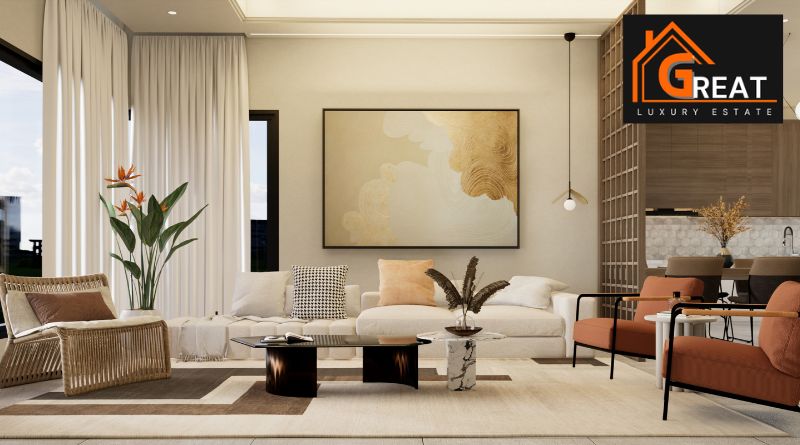
Interior design is not just about choosing furniture or colors; it is about creating harmony between space, purpose, and personality. To improve your skills, you must first understand the philosophy behind good design.
At its core, interior design balances form and function. A room should not only look appealing but also support the activities that take place within it. For example, a living room designed for relaxation needs comfortable seating, soft lighting, and a welcoming layout, while a workspace requires focus-enhancing elements like organized storage and proper illumination. When learning how to be better at interior design mintpaldecor, always begin by asking what the space is meant to achieve emotionally and practically.
Good design also respects proportion and flow. Furniture size should match the room dimensions, and pathways should feel natural rather than cramped. By mastering these fundamentals, you build a strong foundation that supports creativity without chaos.
Developing a Strong Sense of Color and Texture
Learning How Colors Influence Mood
Color plays a powerful role in shaping the atmosphere of a room. Warm colors like beige, terracotta, and soft yellows create a cozy and inviting environment, while cool tones such as blues and greens promote calmness and clarity. To improve your interior design skills, experiment with color palettes before committing to them.
Using neutral shades as a base allows flexibility and timeless appeal. You can then layer accent colors through cushions, artwork, or decorative accessories. This approach prevents overwhelming the space while still allowing personality to shine through.
Combining Textures for Depth and Interest
Texture is often overlooked, yet it adds depth and richness to interiors. Mixing materials like wood, metal, fabric, glass, and stone can make a space feel layered and dynamic. A room filled with only smooth surfaces may feel flat, while a thoughtful combination of rough and soft textures creates visual interest.
For instance, pairing a plush sofa with a wooden coffee table and a woven rug can instantly elevate the design. Understanding how textures interact is a crucial part of how to be better at interior design mintpaldecor, as it helps create spaces that feel both visually appealing and comfortable to live in.
Mastering Space Planning and Layout
Creating Balance and Flow
One of the most important skills in interior design is space planning. A well-designed layout ensures that furniture placement supports movement and interaction. Before buying new pieces, measure your space carefully and visualize how each element will fit.
Balance does not mean symmetry alone; it means visual equilibrium. You can balance a large sofa with two smaller chairs or a tall bookshelf with wall art on the opposite side. The goal is to distribute visual weight evenly so the room feels stable and harmonious.
Avoiding Common Layout Mistakes
Many beginners push furniture against walls, thinking it creates more space. In reality, this can make rooms feel disconnected. Pulling furniture slightly inward often creates a more intimate and cohesive layout. Additionally, leaving enough walking space between pieces ensures comfort and accessibility.
When you understand layout principles deeply, you naturally improve how to be better at interior design mintpaldecor, as your spaces will feel intentional rather than accidental.
Choosing Furniture with Purpose and Personality
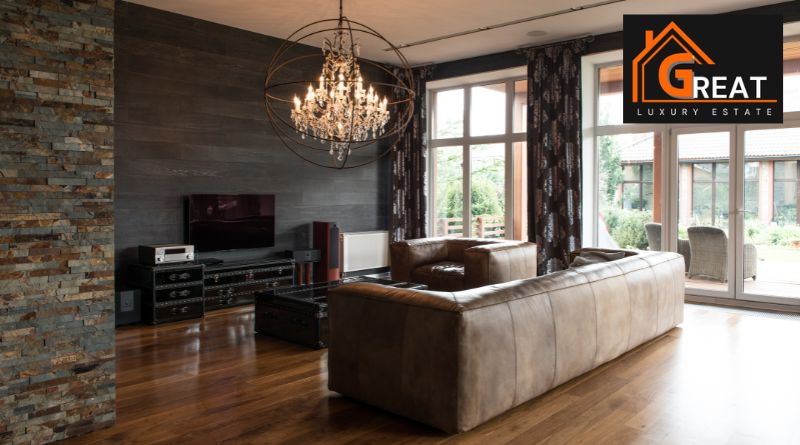
Furniture is more than decoration; it defines how a space functions. To become better at interior design, select furniture that aligns with both your lifestyle and aesthetic preferences.
Start by identifying key anchor pieces such as sofas, beds, or dining tables. These items set the tone for the rest of the room. Choose designs that are durable, comfortable, and visually appealing. Instead of filling a room with many small items, focus on fewer high-quality pieces that make a statement.
Personalization is equally important. Adding furniture with unique shapes, finishes, or stories gives character to your space. Vintage finds, handcrafted items, or custom pieces often become conversation starters and make interiors feel authentic rather than generic.
Enhancing Interiors with Lighting Design
Understanding Different Types of Lighting
Lighting can completely transform how a room feels. Good interior design uses a combination of ambient, task, and accent lighting. Ambient lighting provides overall illumination, task lighting supports specific activities like reading or cooking, and accent lighting highlights architectural features or decor.
Relying on a single overhead light often makes rooms feel flat. Instead, layer lighting sources such as floor lamps, table lamps, and wall sconces. This approach adds warmth and dimension to the space.
Using Natural Light Effectively
Natural light is one of the most valuable design elements. Maximize it by using sheer curtains, placing mirrors strategically, and keeping window areas uncluttered. Natural light not only enhances colors and textures but also improves mood and well-being.
Understanding lighting is essential in mastering how to be better at interior design mintpaldecor, as it directly affects both aesthetics and functionality.
Styling with Decor and Accessories
Decorative elements bring life and personality into a space. However, effective styling requires restraint and intention. Instead of overcrowding shelves and surfaces, curate accessories that tell a story or serve a purpose.
Artwork, plants, cushions, and rugs can all be used to reinforce a design theme. Grouping items in odd numbers often looks more visually pleasing. Varying heights and shapes also adds interest.
Plants deserve special attention, as they introduce freshness and natural beauty. Even low-maintenance greenery can make a room feel more vibrant and welcoming. Thoughtful styling is a key part of how to be better at interior design mintpaldecor, as it transforms a well-planned room into a truly lived-in space.
Embracing Consistency Without Losing Creativity
Consistency in design creates a sense of cohesion throughout your home. This does not mean every room must look identical, but there should be a common thread connecting them. This could be a shared color palette, similar materials, or a recurring design style.
At the same time, creativity should not be suppressed. Allow each room to have its own personality while still fitting into the overall design narrative. For example, you might use neutral tones throughout the house but introduce bold accents in specific rooms.
Finding this balance between unity and individuality is essential when learning how to be better at interior design mintpaldecor, as it ensures your home feels thoughtfully designed rather than disjointed.
Learning from Inspiration and Practice
Improving your interior design skills is an ongoing journey. Seek inspiration from design books, magazines, showrooms, and real homes. Observe how professionals use color, space, and lighting, and adapt those ideas to suit your needs.
Practice is equally important. Start small by redesigning a corner, shelf, or single room. Experiment with layouts and accessories, and do not be afraid to make mistakes. Each attempt teaches you something new and builds confidence over time.
Documenting your progress through photos can also help you see improvements and refine your personal style. The more you practice, the clearer your design instincts become.
Avoiding Trends and Focusing on Timeless Design
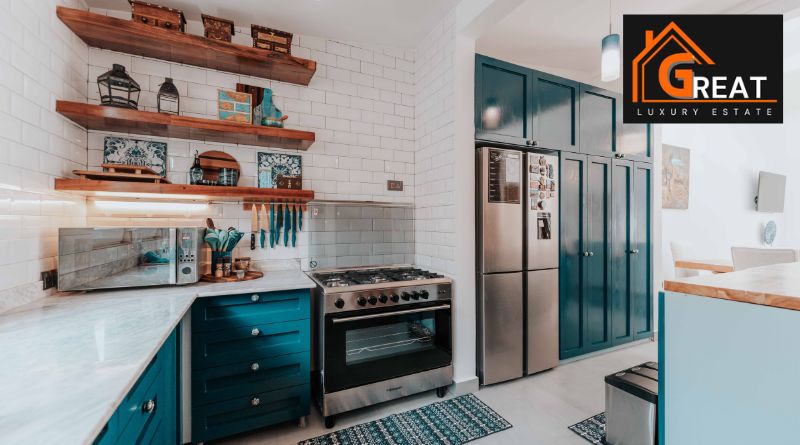
Trends can be exciting, but they change quickly. Relying too heavily on them may result in interiors that feel outdated within a short time. Instead, focus on timeless elements such as neutral colors, classic furniture shapes, and quality materials.
You can still incorporate trends through easily changeable items like cushions, throws, or artwork. This allows you to refresh your space without major renovations. A timeless foundation ensures longevity and adaptability, which is a smart strategy in how to be better at interior design mintpaldecor.
Final Thoughts on Becoming Better at Interior Design
Becoming skilled at interior design is not about perfection; it is about intention, learning, and self-expression. By understanding design principles, experimenting thoughtfully, and paying attention to details, anyone can create spaces that feel balanced, functional, and inspiring.
The journey of how to be better at interior design mintpaldecor encourages mindful choices, creativity, and continuous improvement. As you apply these insights, your spaces will not only look better but also support your lifestyle and reflect who you truly are. With patience and practice, interior design becomes less intimidating and more rewarding, turning your home into a place you genuinely love.